The Gap Between Homes
Sometimes the sale of one house closes weeks before the next one is ready, or the reverse leaves you holding two sets of keys and no time to move it all at once. Either way, your furniture and boxes need somewhere to sit for a stretch of days or months. That waiting spot is a real decision, not an afterthought, and the wrong choice can cost you money, damage a few things, or leave you driving across the county to fetch a coffee maker.
Rural southwestern Ontario adds its own wrinkle. Distances between towns are longer than they look, humidity swings hard between seasons, and a cold snap can turn an unheated shed into a freezer. Four options come up again and again. Each one trades something away.
Mover-Run Warehouse Storage
The simplest arrangement is to let the crew that loads your things also keep them. Your belongings go straight from the truck into a warehouse, usually palletized or vaulted, and stay there until you’re ready. Nobody handles the boxes an extra time, which is the single biggest thing that protects them.
The downside is access. Warehouse storage is not a place you drop by on a Sunday to grab winter coats. You call ahead, and retrieval may come with a fee. For a clean, hands-off gap where you won’t need anything until move-in day, it’s hard to beat.
Renting Your Own Unit
A self-storage unit rented in your own name gives you a key and a gate code. You come and go on your schedule, add or pull items whenever you like, and pay a predictable monthly rate. For a longer or open-ended gap, that flexibility matters.
The catch is handling. The movers unload into the unit, then on move-in day someone has to load it all again into another truck, or you do it yourself piece by piece. Every extra lift is another chance for a scratched dresser or a dropped box. Climate-controlled units cost more but are worth it for anything that warps, cracks, or grows mildew in an unheated building.
The Container On The Driveway
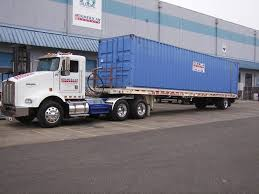
A portable container dropped in your yard lets you pack at your own pace, then either keeps sitting there or gets hauled to a storage yard. It’s convenient while you still have the property. But an empty container on a driveway is exposed to summer heat, winter cold, and anyone who wanders past. If your old place has already closed, you can’t leave it there, and moving a loaded container isn’t free.
Boxes In A Relative’s Basement
Stashing everything with family is the cheapest option on paper and the most complicated in practice. A relative’s basement costs nothing and gives you casual access, but basements flood, get damp, and rarely hold a full household. You’re also asking someone to live around your stacked furniture for weeks. It works best for a small load, a short gap, and a relationship that can absorb the imposition.
Weighing Access And Security
Rank your options by how often you’ll actually need to reach your things. If the answer is never until move-in, warehouse storage wins on both handling and security, since these facilities are monitored and your goods are inventoried. If you’ll be dipping in weekly, a self-storage unit earns its keep despite the extra loading.
Security scales roughly with formality. A gated facility beats a driveway container, which beats a relative’s basement. Many households simplify the whole question by asking their moving company to coordinate the storage leg, and outfits like movers Granton Ontario can fold a warehouse stay into the same booking so the same crew loads, stores, and delivers. One point of contact means one party accountable if something goes wrong.
Counting The Real Cost
The sticker price rarely tells the whole story. A relative’s basement looks free until you factor in a strained favour and possible water damage. A container looks cheap until the delivery, pickup, and monthly rental fees stack up. Self-storage adds a second full load-and-unload of labour. Warehouse storage bundles handling into one price but charges for off-schedule access. Add up moves, fees, and the risk of damage, not just the monthly line item.
Whatever you choose, don’t treat stored goods as forgotten goods. Check on the space after the first heavy rain or the first hard freeze, keep an inventory list handy, and confirm the delivery date early so nothing sits longer than it has to.